2025 W-2 Forms are now available in your GMS Connect employee portal here.

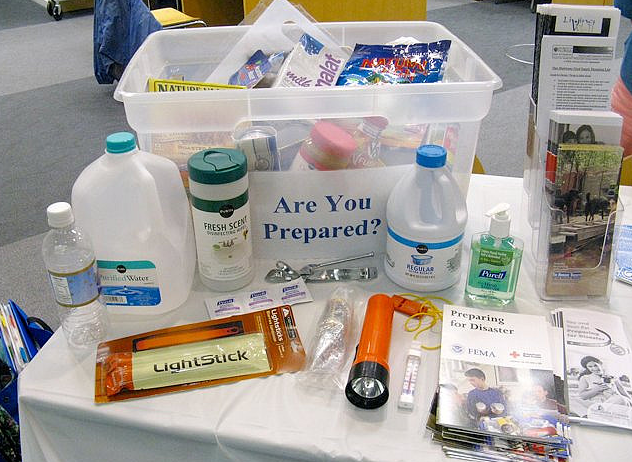
  • Be Prepared for worker's compensation claimsAlthough it’s still warm and the swimming pools are still open throughout Ohio, you’ve probably already started thinking about what needs to be done to prepare for the cold months ahead.

    This preparation for the inevitability of winter is a fact of life in this part of the country. Similarly, because you have some time to prepare for worker’s compensation claims (it takes two years before a claim impacts your premium), you can prepare yourself to mitigate the cost and impact on your BWC premium.

    Follow the tips below to protect yourself in the face of worker’s compensation claims: 

    Preparation Tip 1: Full and Final Settlement

    The most permanent way to address worker’s compensation claims, full and final settlement is an agreement on financial compensation to a claimant. In this scenario, the settlement covers all future medical and indemnity costs in a claim. The employer and the claimant sign the settlement, which is reviewed by the BWC. Once approved, the BWC disburses a check to the claimant.

    Preparation Tip 2: Worker’s Compensation Investigation

    In cases where an employer feels it’s likely that a claimant is working or active while on temporary total disability, a worker’s compensation investigation, which comprises of video surveillance, background checks, and life checks, can be initiated by the employer. Catching a claimant in the act of fraud will terminate the disability compensation.

    Preparation Tip 3: Independent Medical Exams

    Independent medical exams (IME) are assessments which are completed by a physician of the employer’s choosing.  The exam consists of a central idea or question that needs medical clarification. This can range from extent of disability, additional diagnoses allowance, appropriateness of treatment, and whether the claimant has reached a level of maximum medical improvement.  If the examining physician has all available medical information, the report can benefit the employer when the issue is presented to a hearing officer.

    Functional Capacity Exams (FCE) are a more specialized form of an IME in which the claimant’s heart rate is monitored during specific actions such as walking, reaching, or lifting. During these actions, if pain increases, the claimant’s heart rate should increase as well. This testing can provide definitive proof about whether the claimant is telling the truth, and the end report can help set a new range of restrictions or secure a complete return to work.

    Preparation Tip 4: Be Thorough

    Thorough and consistent hearing preparation keep your costs down. In order to present a complete case to a hearing officer, all of the facts should be available to clearly illustrate the employer’s position on a claim. Full medical disclosure, affidavits and statements, in-person testimony, and any additional information provided by the employer is crucial to successful hearing preparation.  Without a clear and convincing argument, the chances for winning the hearing greatly decrease.

    Are you prepared to handle worker’s compensation claims? Not sure where to start? Give GMS a call at 330-659-0100 today. We can help!

  • When I was little my mother always told me that “patience was a virtue”. That was always her response when my sister and I would bother her with the all too famous phrase of “Are we there yet?” during our annual family vacation trips. Little did I know that the phrase she would tell us would come in handy down the road in my career and more specifically, in the realm of unemployment claims management.

    The first thing I ask our clients when discussing a disqualifying separation of an employee is whether they followed their progressive disciplinary policy and if they kept a clear and concise record of the infractions that the employee committed. Every once in awhile they will respond with “Jane Doe was simply a poor worker who couldn’t get the job done. I knew that she wouldn’t be able to improve so I went ahead and let her go.” Because the State of Ohio is an At-Will State, this is perfectly fine and the employer is within their right to do so. Unfortunately, At-Will termination does not equal “for cause” termination, especially when it comes to unemployment claims management and ODJFS. When an employer discharges an employee, the burden of proof that the termination was with just cause is on the employer. Whether you terminated the individual within the first 90 days of employment or 5 years after hire, ODJFS will ask for a thorough record of evidence that establishes the claimant’s actions were a disregard for the standards of behavior the employer can rightfully expect form their employees. This is why having a comprehensive handbook and a thorough progressive disciplinary policy is important.

    First and foremost, have all of your employees sign off on an acknowledgement that states they have read and understood your company handbook. This portion is overlooked more often than not and along with an excerpt of the policy, is the most common document ODJFS will request when investigating a termination. Further, always enact your progressive discipline policy. This often includes verbal warnings, written warnings, performance improvement plans/suspensions, and the eventual termination. The Unemployment Office will look for any excuse to allow a claim, so documenting that you notified the employee of their wrongdoing and provided them with a path of improvement upon their mistakes will show ODJFS that you made a concerted effort to keep the claimant employed and that you use termination only as a last resort. By following these steps you will be able to provide ODJFS a detailed log of information that accurately and factually details the reasons why the termination was for cause.

    I’m proud to say that GMS boasts a 96.7% winning percentage on all “for cause” unemployment claims, which I would largely attribute to our clients following the aforementioned advice. By taking 10 minutes out of your day to explain your handbook or enact a reprimand, you could save as much as $13,000 per claim, something to think about before you decide to terminate an employee without the proper documentation. Patience is not only a virtue, but is also a money saver. 

  • Can you name the top three most frequently cited safety standards by Federal Occupational Safety & Health Administration (OSHA) in fiscal year 2013?

    If you answered fall protection, hazard communication, and scaffolding then you were correct! Out of 3,945 worker fatalities in private industry in calendar year 2012, 775 or 19.6% were in construction

    These statistics remind us that managing the risks involved in operating your business can be more than just paperwork. Employers are responsible for providing a safe and healthy workplace for their employees. One way to make sure the environment is safe is to conduct a safety audit.  

    How to perform a safety audit of your small business. Image “Baby with hard hat, 1959” by Seattle Municipal Archives is licensed CC BY 2.0

    What is a business safety audit?

    Safety audits are a tested and proven method to ensure that small businesses have the right programs in place to reduce incidents and risk to their workers. 

    The United States Department of Labor, Occupational Safety & Health Administration (OSHA) has a small business handbook on safety and management that outlines (in many, many details) how to create, develop, and implement your safety and health management plan. 

    If you take a look, and it seems complicated (maybe even overwhelming) we’re here for you. Contact GMS about our comprehensive risk management services, including OSHA compliance and safety training & inspection

    We can help you identify and avoid risks, where possible, and help you prepare for and respond to the unexpected.

    Small Business Safety Audit Scope

    Your self-inspection should cover safety and health issues in the following areas:

    • Processing, Receiving, Shipping and Storage
    • Building and Grounds Conditions
    • Housekeeping Program
    • Electricity
    • Lighting
    • Heating and Ventilation
    • Machinery
    • Personnel
    • Hand and Power Tools
    • Chemicals
    • Fire Prevention
    • Maintenance
    • PPE
    • Transportation
    • First Aid Program/Supplies
    • Evacuation Plan

    After reviewing the general issue areas, we pulled a few topics and a key question from the checklists to show what to look for in your own safety audits. Once you take a look at the full list you can see how detailed and involved a safety inspection can be.

    Examples of Self-Inspection Checklists 

    Employer Posting
    Are emergency telephone numbers posted where they can be readily found in case of emergency?

    Safety and Health Program
    Do you have an active safety and health program in operation that includes general safety and health program elements, as well as, the management of hazards specific to your work-site?

    Medical Services & First Aid
    Is there a hospital or clinic near your workplace or is there at least one employee on each shift currently qualified to render first aid?

    Fire Protection
    If you have a fire alarm system, is it certified, as required? Is it tested annually?

    Personal Protective Equipment and Clothing
    Are hard hats required, provided and worn where danger of falling objects exists?

    General Work Environment
    Are all worksites clean, sanitary and orderly?

    Exiting or Egress- Evacuation
    Are all exits marked with an exit sign and illuminated by a reliable light source? Are doors, passageways or stairways that look like but are not actually exits clearly marked as non-exits?

    And the list goes on. These lists are by no means all-inclusive and you should add to them or delete items that do not apply to your business. 

    Our ultimate goal is to help you provide your employees with a safe, healthy workplace.  Learn more about how GMS can protect your company from risk today.

    What do you think are the biggest safety concerns for small businesses? Let us know in the comments below.

  • For small-or medium-sized businesses, worker’s compensation can be extremely costly. You invest a lot of the time, money and resources into claims management to ensure your business stays compliant and your workers are protected. With your limited resources, there are steps you can take to minimize your risks and reduce your worker’s compensation costs.

    1. Early return to work: Offer part time or alternative work options to get your employee back to work as soon as possible. The longer your worker is absent, the longer the insurance company has to pay his or her benefits which can increase the cost of your premiums.
    2. Education: Ensure your employees know how to operate all equipment and practice safe working habits around all machinery. Conduct random checks to keep employees fresh on operational protocol and establish an open-door policy for questions and concerns.
    3. Injury response: In the case of an accident, make sure you and your employees are aware of the company procedures to follow when responding to an injury. Injured workers should know where to receive medical care, procedures for referral to specialists, transitional duty requirements, how to receive pay and other important details regarding their case.
    4. Classify job descriptions correctly: While this appears trivial, classification of job titles and descriptions can impact your workers’ comp premiums. Some classifications carry more risk, which will increase your premiums. Make sure you have the most up-to-date classification code book in your state and research the best ways to classify your employees’ title.
    5. Hire with safety in mind: As you interview candidates for a position, try to eliminate those who may pose a safety risk. GMS can help with recruiting and training workers who best fit into your company’s culture and who will be able to perform in-line with your safety guidelines.
    6. Conduct safety audits: The workplace safety experts at GMS can help you perform safety audits, create safety manuals and rule books to foster an environment where safety is always a top priority.

    Many employers look at workers’ compensation as an uncontrollable expense. But with the right mindset – and some help from a PEO like GMS – you can stop looking at it this way and start taking a more proactive approach managing your workers’ comp costs.

    Want to learn more? Let’s get in touch.

  • Annual holiday parties are an important way to celebrate the year’s accomplishments and your employees’ hard work. However, mixing business and pleasure can make even the most seasoned HR professional nervous as improper conduct, offensive behavior or other violations can occur, leading to potential liabilities for you.

    There are ways you can still throw a great party while ensuring your employees stay off the HR naughty list:

    Make attendance voluntary

    While most employees enjoy an excuse to kick back and get to know coworkers in a more relaxed setting, a holiday party is not everyone’s idea of a good time. Ensure your employees know that attendance to the holiday event is completely voluntary and if they opt to miss the event, reassure them that their absence will not adversely affect their job or standing with the company.

    Limit or Prohibit Alcohol

    Alcohol is usually the culprit behind the bad behavior or poor decisions made by employees at holiday parties. Consider eliminating alcohol from your holiday get together or at least limiting its consumption by issuing drink tickets or having a cash bar. Providing a taxi or car service can also reduce the opportunity for major liabilities if an employee gets a little carried away on the spiced rum. 

    Invite Significant Others or Customers

    Just like Santa keeps kids in line, significant others or customers can help keep employees on their best behavior. Encourage your employees to bring spouses or significant others to the event and make the celebration a more family-focused atmosphere. 

    Address Complaints Immediately

    Even with proactive steps, incidents can still occur. Make sure you immediately address any complaints and attempt to settle them as quickly as possible. By paying attention to seemingly small issues, you can prevent them from spiraling into a big liability later on. 

    Prior to your event, remind your staff of the rules and guidelines in the employee handbook and that all will be expected to be upheld throughout the party. Making your expectations clear can reduce the occurrence of any potential liabilities and will ensure you and your employees are able to responsibly enjoy the celebration of their hard work. 

  • The EEOC has made it into the news again, but you may not have heard about it.

    A few months after the Equal Employment Opportunity Commission (EEOC) issued a ruling on how pregnancy in the workplace can be viewed as a worker’s comp issue, they have now weighed in on wellness programs.

    Under the Affordable Care Act, there has been a strong push on advocating wellness for employees, and rightfully so. Wellness programs improve the health and productivity of your employees while increasing efficiencies and increasing profitability.

    However, according to an article on jdsupra.com, the EEOC has not yet issued guidelines on how employers can and must structure wellness programs to be in compliance with the Americans with Disabilities Act. Despite the lack of guidelines, the EEOC is pursuing two litigation cases against two separate companies for what they say are violations of the ADA (Americans with Disabilities Act).

    Challenges Ahead Sign. The EEOC's lack of guidelines have created challenges for business owners who want to administer an employee wellness program.

    As a small business owner, keeping tabs on all the government regulations that apply to your business and industry is a daunting task. Even larger companies with compliancy departments get into trouble sometimes!

    Fortunately, professional employer organizations can help ensure you’re compliant with not only wellness programs, but also with payroll, risk management, HR, and employee benefits. To learn more about how a PEO can keep you compliant in today’s increasingly regulated business environment, contact us at 888-823-2084 today.

  • Beginning January 1, 2015, OSHA will begin enforcing new rules and requirements according to a recent article in Construction Equipment Guide. This new rule applies to companies that fall under Federal OSHA jurisdiction. (Do you know if your company falls under this category?)

    This rule change stems from a Bureau of Labor Statistics report that 4,405 people were killed on the job in 2013. Under this new rule “employers will be required to notify OSHA of work-related fatalities within eight hours, and work-related in-patient hospitalizations, amputations or losses of an eye within 24 hours. Previously, OSHA’s regulations required an employer to report only work-related fatalities and in-patient hospitalizations of three or more employees. Reporting single hospitalizations, amputations or loss of an eye was not required under the previous rule.”

    Even employers who are typically exempt from reporting workplace injuries will be required to comply with this new ruling.

    Additionally, OSHA has updated the list of industries that are required to routinely keep and complete injury and illness records. In the past, those that were exempt based on their Standard Industrial Classification (SIC) code, they are now based on how relatively low their reported injury and illnesses are. Those employers with fewer than 11 employees will still be exempt.

    Learn more:

    Workplace Injuries by the Numbers

    3 Barriers to Workplace Safety Programs 

  • For many employers, hearing that the Equal Employment Opportunity Commission (EEOC) has issued a ruling sounds a lot like fingernails on the chalkboard. They know it’s there, but they don’t often want to hear it.

    Pregnant business woman.

    A couple of weeks ago in a 3-2 decision, the EEOC issued new enforcement guidance under the Pregnancy Discrimination Act (PDA) that also covers possible workplace accommodations.  

    According to Bloomberg, a revision to the 1983 EEOC Compliance chapter on the PDA “requires employers to offer light duty to pregnant employees if they make light duty available to non-pregnant employees similar in their ability or inability to work.” The PDA was a 1978 amendment to Title VII of the 1964 Civil Rights Act. The implementation of this was partly due to pending issues before the Supreme Court.

    What this guidance essentially does is put pregnancies in the same category as a Worker’s Comp claim. If, as an employer, you offer light duty to employees that were hurt on the job, you now have to offer that same accommodation to a pregnant employee. In other words, if an employer offers light duty only to an employee injured on the job and not to a pregnant employee, that employer is in violation of the PDA.

    As most small-business owners spend their days wearing many hats trying to grow their business, they don’t often have the time to spend reviewing every government agency regulation change that comes down the pike. All too often, they find out about it after the fact.

    That’s where a PEO like GMS, comes in. If you’re interested in learning how GMS can help keep you compliant with ever-changing government regulations while at the same time lowering your risk management and benefit costs, give us a call at 330-659-0100 today.

  • True or false: You can’t do anything to manage your company’s unemployment tax rates?

    If you answered true, you answered incorrectly. But take heart because:

    1. Many other business owners would have also answered “true”
    2. There is actually a lot you can do to manage unemployment tax rates

    Unemployment Tax: It’s All in the Details

    When it comes time to let an employee go, the best thing you can do to protect yourself from unemployment claims happens well before you want to terminate the employee and everything needs to be in writing. You’ll be much more likely to win the case if you provided your former employer with documentation like:

    • Employee handbooks, signed by the employee
    • Detailed job descriptions, signed by the employee
    • Written warnings with employee sign-off
    • Progressive disciplinary actions

    How a PEO Can Help

    PEOs like GMS take an active approach in managing risks related to unemployment claims. In the process, PEOs save you time, increase cashflow, and eliminate your liability. Best of all, you retain full control over your employees.

    More specifically, GMS helps by:

    • Writing employee handbooks and job descriptions for you
    • Actively consult throughout the employee discipline and termination process
    • Provide representation on your behalf at claims hearings
    • Administering and reports all your company’s unemployment taxes

    Your Next Step is Easy

    Okay, so we started this post with a tricky question. Now it’s time to end it with an easy one.

    True or false: It’s time to call GMS?

    See! We told you that would be an easy one. Here’s our number: 330-659-0100

  • There are a lot of factors that go into determining what your business’s workers’ compensation rates will be. But the simple truth is this: the more claims your employees file, the higher your rate will be.

    Fortunately, there are two strategies you can follow that will limit the amount of time and money you spend dealing with workers’ compensation claims.

    Loss Prevention Strategies

    They say that prevention is the best medicine. That holds true for workers’ compensation management, too!  Here’s a quick list of actions that you can take to reduce the risk of workplace injuries, and, therefore, claims:

    Provide safety training programs

    • Create employee safety manuals
    • Clearly establish workplace safety guidelines
    • Undergo regular workplace inspections
    • Implement drug-free and drug–testing programs
    • Implement  injury reporting procedures

    Cost Containment Strategies

    In the State of Ohio, if a company has a better safety record than the average company of  their industry,  the company may qualify for what’s called a group rating program.

    In essence, all this does is gives a group of companies with good safety records the opportunity to qualify for workers’ compensation rate discounts. In some cases, companies can qualify for discounts of 50% with the group rating program.

    If you’re not taking advantage of these strategies, the time to start is now. And if you’re not sure where to begin, give us a call at 330-659-0100 today.